Canadian Copper Cent Calculator
Royal Canadian Mint 1¢ pieces ran from 1858 (large copper cent) through their 2012 discontinuation. Calculate the intrinsic metal value of each composition era — including the bronze cents that are mostly copper with a touch of tin and zinc.
- Canada Large Cent—1858–1920melt $0.0565 · face $0.01
- Canada Small Cent (95.5% Cu)—1920–1942melt $0.0316 · face $0.01
- Canada Small Cent (98% Cu)—1942–1996melt $0.0310 · face $0.01
- Canada Cent (copper-plated zinc)—1997–1999melt $0.0071 · face $0.01
- Canada Cent (copper-plated steel)—2000–2012melt $0.0009 · face $0.01
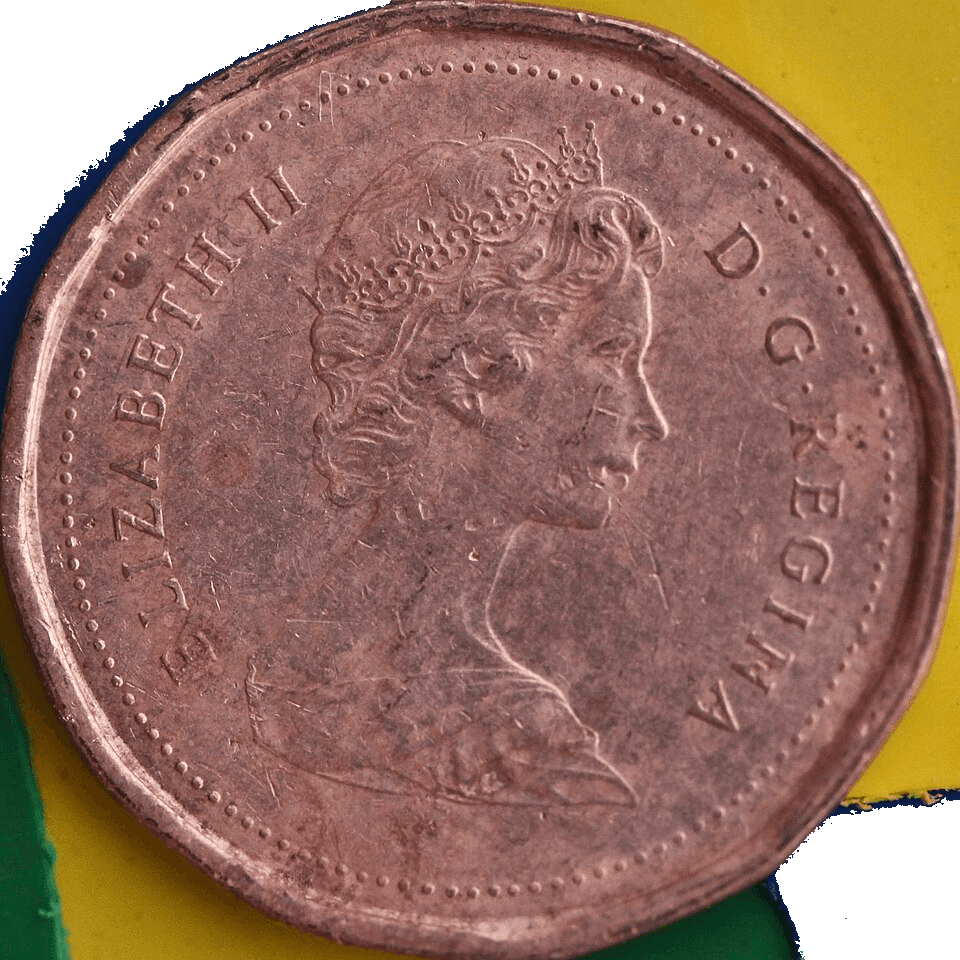
How Canadian copper cent value works
Canadian 1¢ pieces span 155 years and five distinct compositions. The 1858–1920 large cent (5.67 g, 95% Cu / 4% Sn / 1% Zn) hits melt-parity at modest copper prices. The 1920–1942 small bronze cent (3.24 g, 95.5% Cu) and the 1942–1996 high-copper cent (98% Cu) both contain roughly 3.1 g of pure copper — worth several times face value when spot trades north of $4/lb. Plated zinc and plated steel cents (1997 onward) have only a few hundredths of a gram of surface copper.
How it works
- 1Set copper, tin, and zinc spot prices in dollars per pound (LME standard).
- 2Enter quantities held of each composition era.
- 3The melt column shows intrinsic value per coin; row totals update with quantity.
- 4Green dot = melt exceeds face. The sticky sidebar sums to your total stack value.
Frequently asked questions
FAQWhen was the Canadian penny discontinued?
Production ended in 2012 and the Royal Canadian Mint stopped distributing pennies on 4 February 2013. They remain legal tender but cash transactions are now rounded to the nearest 5¢.
Which Canadian cents are worth keeping for melt?
Pre-1997 issues are mostly copper — particularly the 98%-Cu small cents from 1942–1996 (3.24 g each). The 1858–1920 large cent is 5.67 g of mostly copper and is by far the heaviest. 1997–1999 copper-plated zinc and 2000–2012 copper-plated steel have only a thin copper layer.
Why is there tin in older Canadian cents?
Canadian small cents from 1920 onward used a bronze alloy: 95.5% copper / 3% tin / 1.5% zinc until 1942, then 98% copper / 1.75% tin / 0.25% zinc through 1996. Tin slightly hardens the alloy and gives the coins their characteristic warm red-brown patina. This tool prices tin at the LME average.
Can I legally melt Canadian pennies?
No. The Currency Act prohibits melting, defacing, or using Canadian coins for any non-currency purpose. This tool is for inventory valuation only — for reference, melt value commonly runs 2–3× face on the older 95–98% copper cents.
How many Canadian cents in a pound?
Roughly 140 small bronze cents per pound (453.59 g ÷ 3.24 g) or 80 large cents per pound (453.59 ÷ 5.67). Plated zinc cents (1997–1999) are 2.25 g and run about 202 per pound.