US Base Metal Coin Calculator
Calculate the intrinsic metal value of modern US circulating coins — pennies, nickels, dimes, quarters, halves and dollars — based on their copper, zinc, nickel and manganese content.
- Lincoln Penny (95% copper)—1909–1982melt $0.0278 · face $0.01
- Lincoln Penny (copper-plated zinc)—1982–presentmelt $0.0073 · face $0.01
- Lincoln Steel Cent—1943melt $0.0000 · face $0.01
- Jefferson Nickel—1946–present (excl. 1942–45 war)melt $0.0562 · face $0.05
- Roosevelt Dime (clad)—1965–presentmelt $0.0225 · face $0.10
- Washington Quarter (clad)—1965–presentmelt $0.0562 · face $0.25
- Kennedy Half (clad)—1971–presentmelt $0.1125 · face $0.50
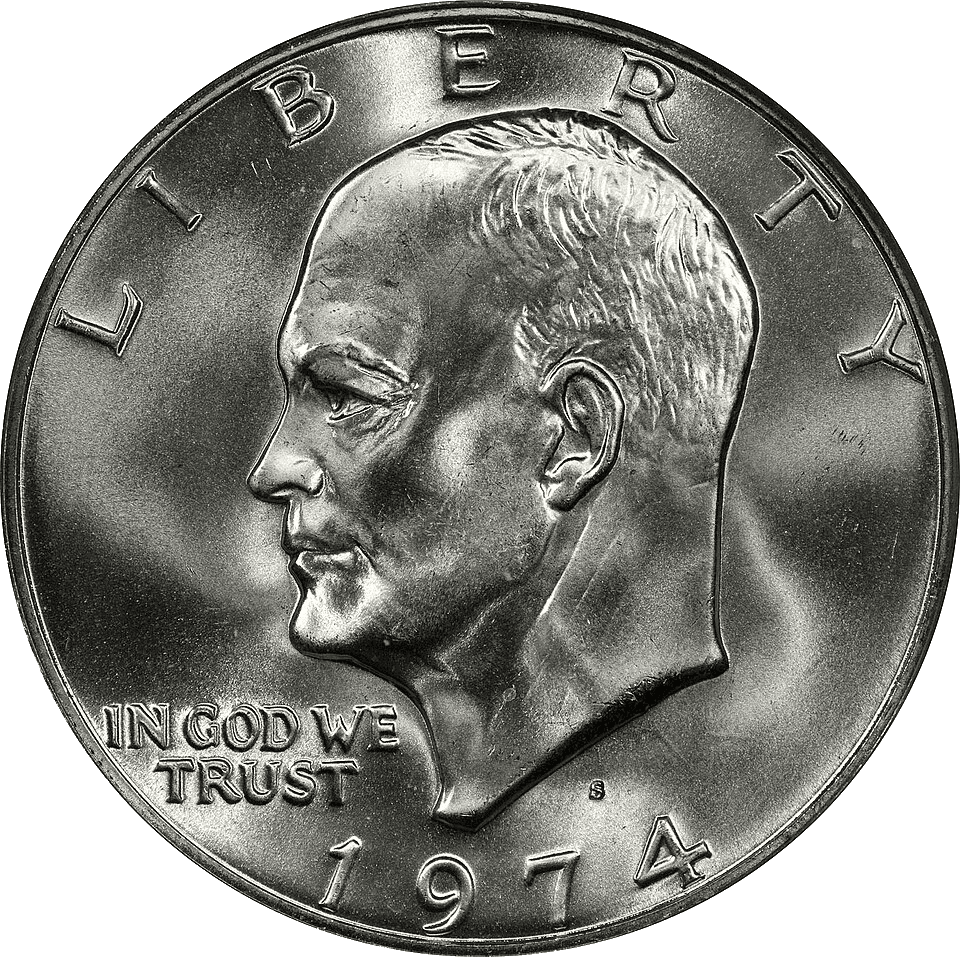
- Eisenhower Dollar (clad)—1971–1978melt $0.2250 · face $1.00
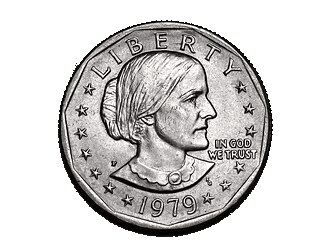
- Susan B. Anthony Dollar—1979–1981, 1999melt $0.0830 · face $1.00
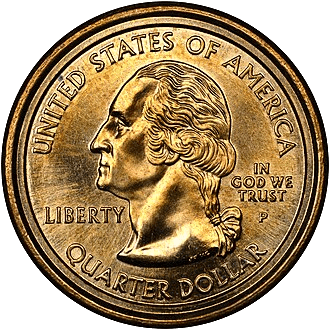
- Sacagawea / Native American Dollar—2000–presentmelt $0.0711 · face $1.00
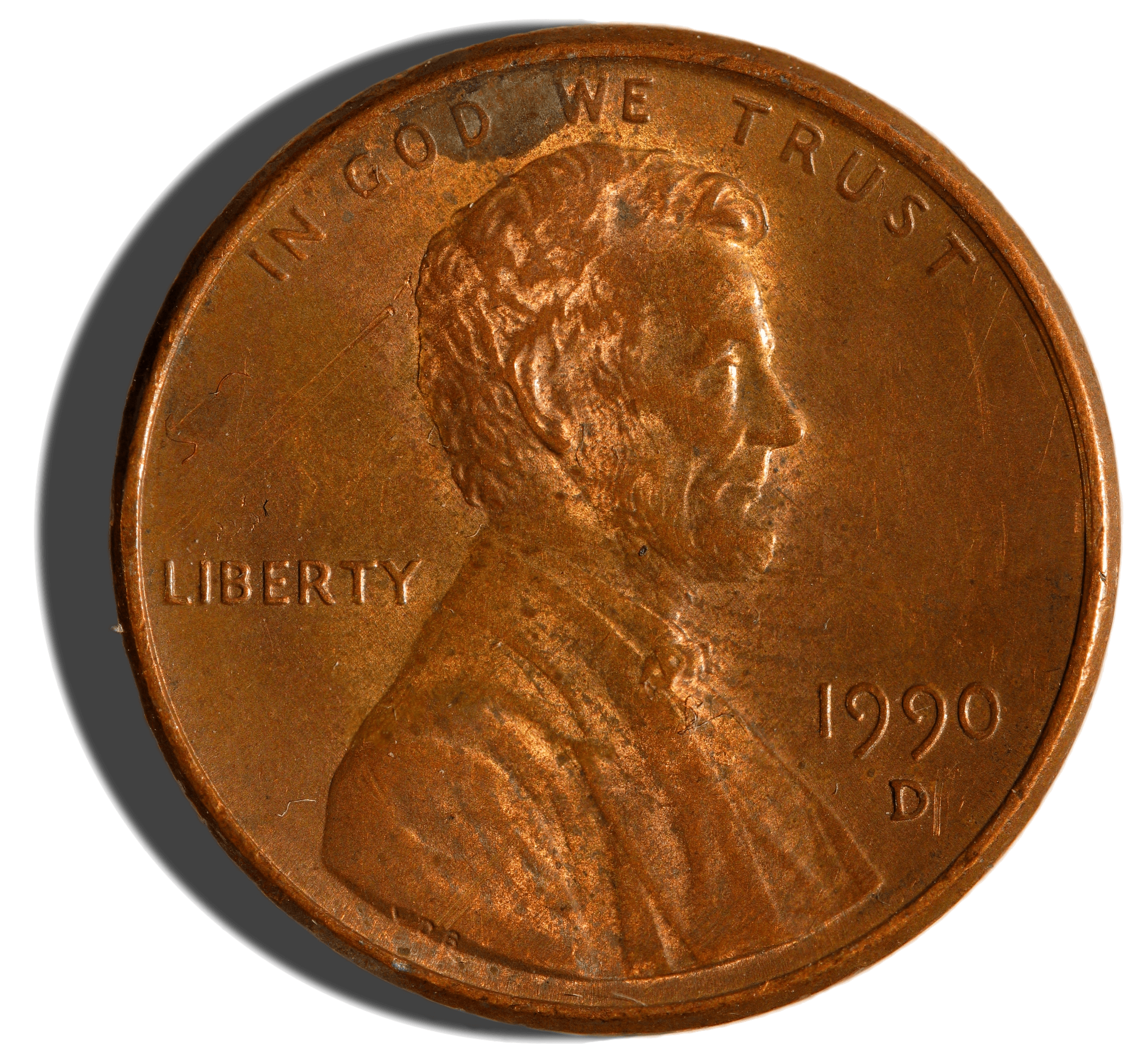

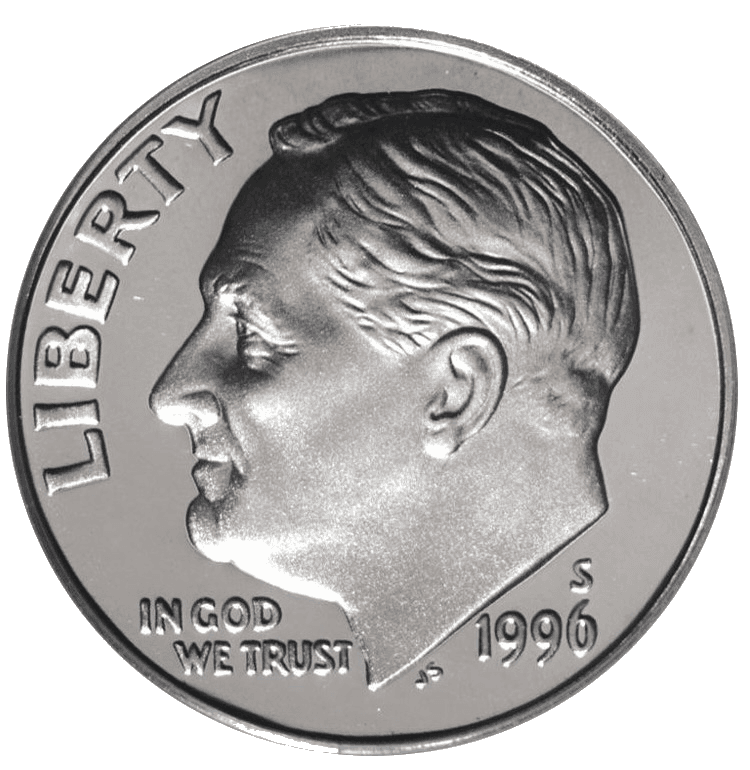
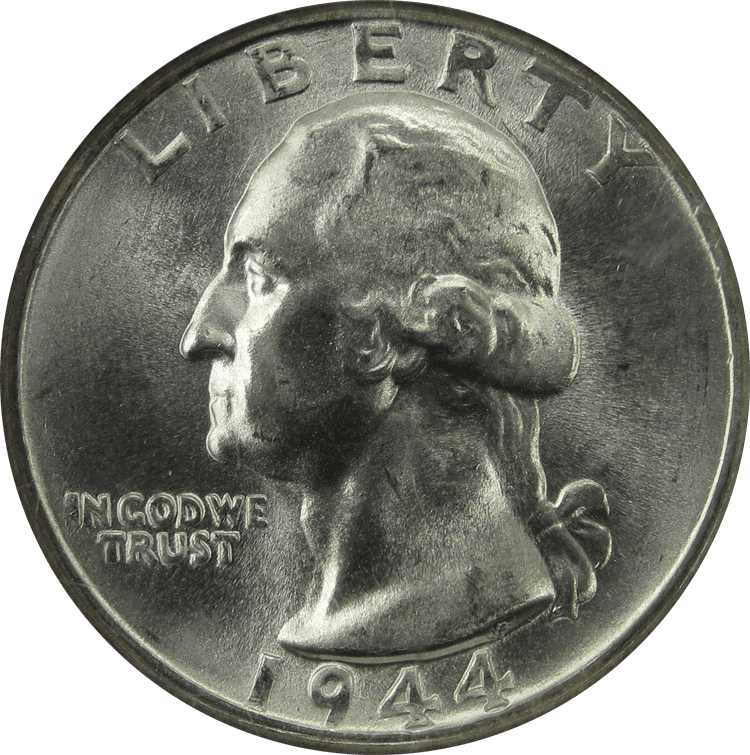
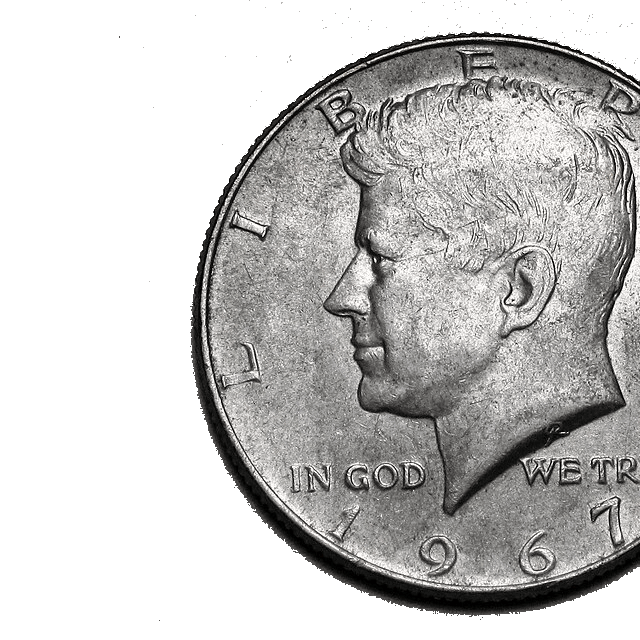
How base metal coin melt value works
Every circulating US coin contains a precise mix of copper, zinc and nickel. Multiply each metal's mass in the coin by its current spot price and you get the coin's intrinsic value. For pre-1982 pennies, intrinsic value exceeds face value at most copper prices — which is why they are systematically hoarded.
How it works
- 1Set the copper, zinc, nickel and manganese spot prices (defaults are reasonable; override anytime).
- 2Type quantities next to any coin. Per-coin melt value updates with the spot changes.
- 3A green dot marks coins whose melt value exceeds face — these are typically sorted out by hoarders.
- 4Sidebar shows the grand total melt for your stack.
Frequently asked questions
FAQIs it legal to melt US coins?
Under 31 CFR §82.1 it is illegal to melt or treat US one-cent and five-cent coins for their metal content. Higher denominations are not explicitly restricted in the same regulation, but exporting bulk coin to be melted abroad is prohibited. This calculator is for reference only.
Why does this calculator use price per pound (lb)?
Base metals like copper, zinc and nickel are quoted by the pound on COMEX and the LME. The calculator converts to per-gram internally so coin weights work out correctly.
What is the modern Jefferson nickel composition?
75% copper, 25% nickel — by weight 3.75 g of copper and 1.25 g of nickel in each 5 g nickel. War nickels (1942–1945) are different: 35% silver, 56% copper, 9% manganese.
Do clad dimes, quarters and halves have any silver?
No. Since 1965 (1971 for halves), Roosevelt dimes, Washington quarters and Kennedy halves have been copper-nickel clad: a pure copper core sandwiched between two layers of 75% Cu / 25% Ni. Net composition is 91.67% Cu / 8.33% Ni.
What is the Sacagawea dollar made of?
It's manganese brass — 88% copper, 6% zinc, 3.5% manganese, 2% nickel, on a pure copper core. Total weight 8.1 g. The gold colour comes from the brass alloy, not actual gold.