Canadian Silver Coin Calculator
Dimes, quarters, halves and silver dollars from 1858 through 1968 — .925, .800 and .500 fine — plus the modern 1 oz Silver Maple Leaf.
- Canada 10¢ (.925)—1858–191992.5% · 0.0690 oz · melt $0.00
- Canada 10¢ (.800)—1920–196680.0% · 0.0599 oz · melt $0.00
- Canada 10¢ (.500)—1967–196850.0% · 0.0375 oz · melt $0.00
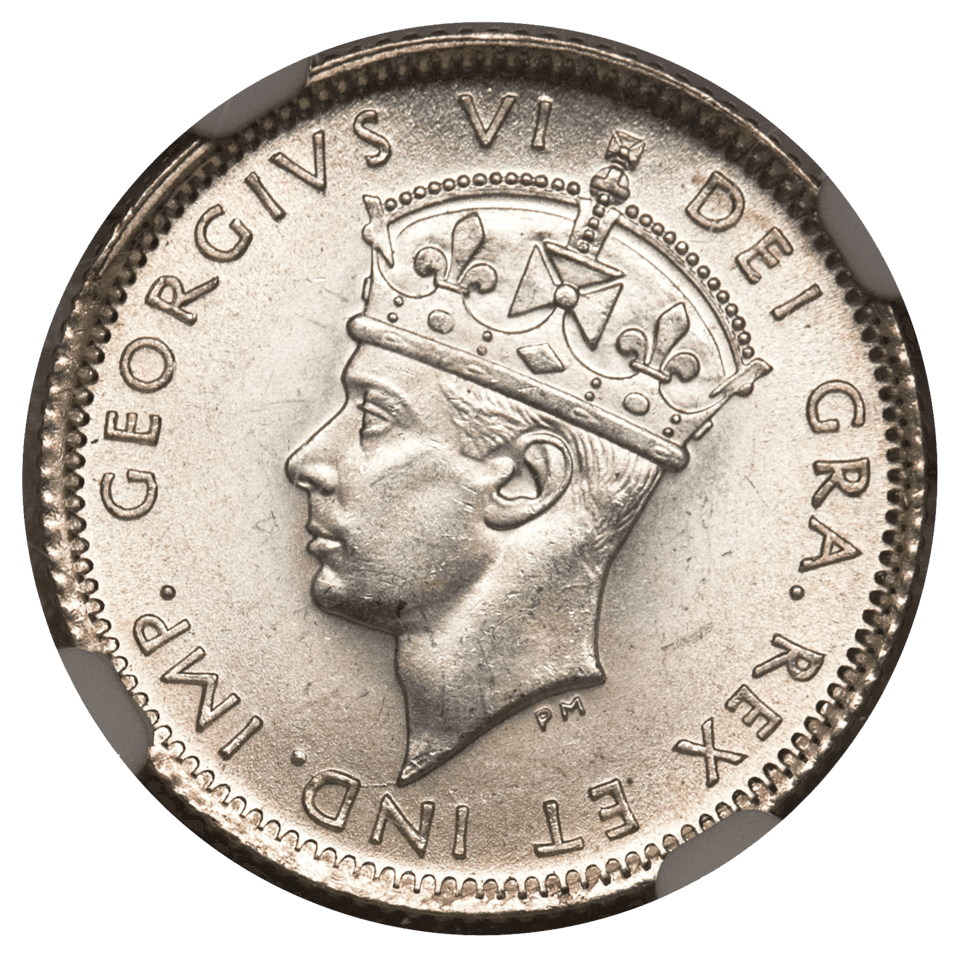
- Canada 25¢ (.925)—1870–191992.5% · 0.1728 oz · melt $0.00
- Canada 25¢ (.800)—1920–196680.0% · 0.1500 oz · melt $0.00
- Canada 25¢ (.500)—1967–196850.0% · 0.0937 oz · melt $0.00
- Canada 50¢ (.925)—1870–191992.5% · 0.3456 oz · melt $0.00
- Canada 50¢ (.800)—1920–196780.0% · 0.2999 oz · melt $0.00
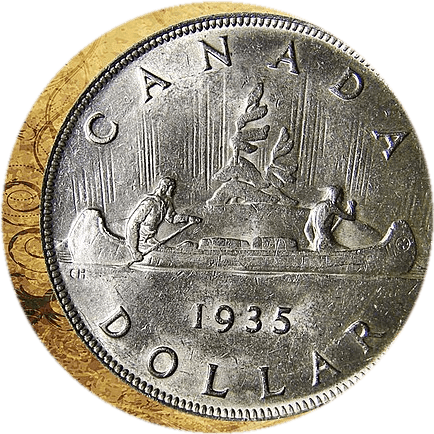
- Canada $1 Silver Dollar—1935–196780.0% · 0.6001 oz · melt $0.00
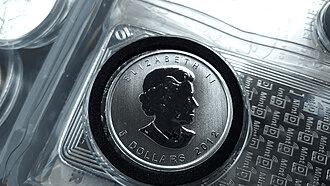
- Canada Silver Maple Leaf — 1 oz—1988–present100.0% · 0.9999 oz · melt $0.00
How Canadian silver coin melt value works
Canadian circulating silver went through three fineness eras. Pre-1920 dimes, quarters and halves are .925 sterling. From 1920 through 1966 the standard fell to .800 fine. In 1967 the Mint debased again to .500 part-way through the year — and 1967-dated dimes and quarters exist in both .800 and .500. From 1968 onward no Canadian circulating coin contains silver. This calculator stores the exact gross weight and fineness for every variant so you can value mixed accumulations accurately at current silver spot.
How it works
- 1Pick the denomination tier — small (10¢), medium (25¢/50¢), large ($1) or bullion (Maple Leaf).
- 2Enter the quantity you hold of each variant. Pre- and post-debasement issues are listed separately because their silver content is materially different.
- 3Set Wear % to discount circulated coins (typical 1–5% for VG–F grades).
- 4Set Spread % to model a dealer's buy-side discount or premium over melt.
- 5Override the silver spot price anytime to model a different number.
Frequently asked questions
FAQWhen did Canada debase its silver coinage?
From 1858 to 1919 Canadian dimes, quarters and halves were .925 sterling. From 1920 to 1966 they were .800 fine. In 1967 a transition year saw both .800 and .500 silver, and from 1968 onward circulating coins are nickel. This calculator distinguishes each variant.
What is the silver content of a Canadian silver dollar?
The Canadian $1 issued from 1935 to 1967 is 23.33 g of .800 fine silver, giving 0.6000 troy oz of pure silver (ASW). Commemorative dollars (1939 Royal Visit, 1949 Newfoundland, 1958 BC, 1964 Charlottetown, 1967 Centennial) share the same specification.
Are 1967 Centennial coins silver?
Partly. The Royal Canadian Mint struck 1967 dimes and quarters in both .800 and .500 fineness during the changeover — they are visually identical and need to be assayed or weighed against a known reference to tell apart. 1967 halves and dollars remained .800.
How much silver is in a Silver Maple Leaf?
The Royal Canadian Mint Silver Maple Leaf (1988–present) is exactly 1 troy ounce of .9999 fine silver — the purest mass-produced silver bullion coin in the world. Face value is $5 CAD but melt value tracks silver spot.
Can I legally melt Canadian silver coins?
No. The Currency Act prohibits melting, breaking up, or using Canadian coins for any purpose other than as currency. This calculator is for inventory valuation and dealer-quote reference only.